
Acquisition and the Moral Excuse
Dead SoulsThis theme traces how Chichikov’s desire for wealth acquires respectable language, rationalizations, and finally the possibility of remorse.
increasing Bearing strength in each event
 decreasing
Bearing strength in each eventdecreasingThe Father’s Lesson
The Father’s Lesson
Saving as Security
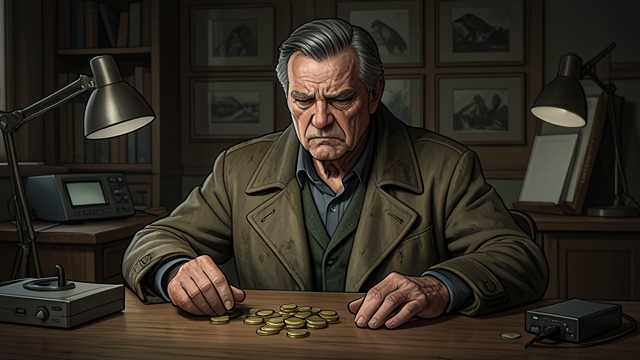
Chichikov’s father advises him to keep every kopeck and cultivate useful acquaintances. The lesson presents money as a dependable refuge when human relationships fail.
A Moral Narrowing
The advice gives the child a durable discipline but little model of generosity. Later ambition grows from this practical instruction, making accumulation appear like prudence rather than a choice with consequences.
The Respectable Acquirer
The Respectable Acquirer
A Socially Acceptable Face
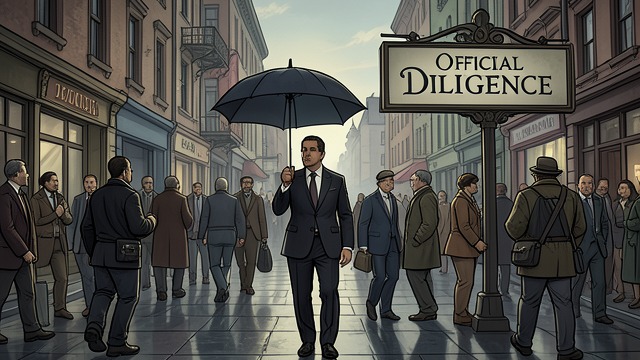
Chichikov cultivates politeness, moderation, and official diligence. He presents himself as a man of duty even when his private purpose is advancement or profit.
A Public Vocabulary
He describes setbacks as suffering in the service of truth and frames his dead-soul plan as a useful transaction. Respectable language helps him avoid confronting the moral nature of what he does.
The Logic of Necessity
The Logic of Necessity
Wealth as a Future Home
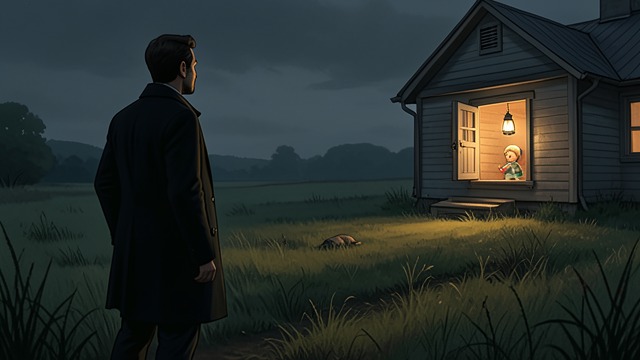
Chichikov imagines a household, an estate, and children who will prove that his life has mattered. The desire for property is tied to a hope for security and social belonging.
Means Recast as Ends
He repeatedly tells himself that others would exploit the same opportunities if he did not. This reasoning makes wrongdoing seem inevitable and shifts attention from choice to circumstance.
The Cost of the Scheme
The Cost of the Scheme
Exposure in Public
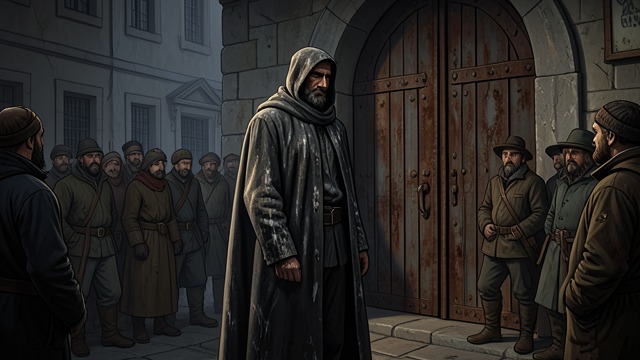
Nozdrev’s announcement makes Chichikov’s transactions a matter for general attention. The social respect he has cultivated proves fragile once the underlying business becomes visible.
Self-Directed Blame
Chichikov condemns Nozdrev but recognizes that he exposed his plan too freely. His frustration does not yet amount to repentance, but it briefly forces him to see his own role in the danger.
A Possible Moral Turn

A Possible Moral Turn
A Promise of Honest Labor
Murazov urges Chichikov to exchange restless acquisition for work and responsibility. Chichikov imagines that his persistence might serve other people if directed toward a better purpose.
Reversion Remains Possible
After release, he again delights in money, clothes, and schemes. The narrative leaves the conversion incomplete, showing how easily a moral insight can be displaced by familiar appetite.
During Chichikov’s childhood
During Chichikov’s career in service
While Chichikov is traveling in Part I
At the Governor’s ball
During Chichikov’s imprisonment in Part II
